



How Does Teeth Grinding Change Your Teeth Over Time?
You may be clenching or grinding your teeth without even realizing it. Especially during sleep, teeth grinding can continue for a long time without you being aware of it.
So, what happens to your teeth over time?
Teeth grinding does not only cause jaw pain. It can also affect the appearance, structure, and durability of your teeth.
How does teeth grinding affect your teeth?
Our teeth naturally experience pressure while chewing. However, when excessive force is applied repeatedly, the stress on the teeth increases and may lead to various problems over time.
Your teeth may become shorter
One of the most noticeable effects of teeth grinding is tooth wear.
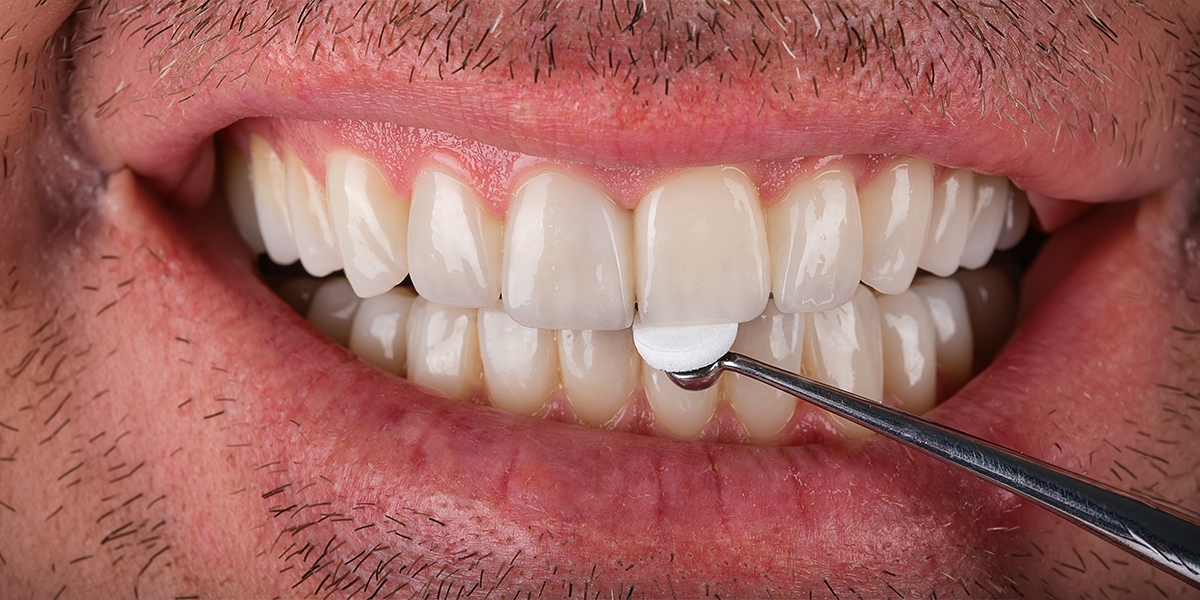
When the teeth repeatedly come into strong contact with each other, wear can occur, particularly along the edges of the front teeth and the chewing surfaces of the back teeth. Over time, the natural shape of the teeth may change and they may begin to look shorter.
Tooth sensitivity may develop
As tooth wear progresses, the protective layers of the teeth may become affected. As a result, sensitivity or discomfort may occur when consuming hot, cold, or sweet foods and drinks.
Cracks and fractures may occur
Constant and excessive pressure on the teeth can increase the risk of cracks and fractures, particularly in teeth that are structurally weakened or contain large fillings.
For this reason, even small cracks or fractures should not be ignored.
Jaw muscle tension may develop
Teeth grinding does not only affect the teeth. Keeping the chewing muscles tense for long periods may cause morning jaw fatigue or pain, facial discomfort, headaches, or discomfort around the jaw joint.
How can you tell if you grind or clench your teeth?
Some people only discover that they grind their teeth during a dental examination. Teeth grinding during sleep, in particular, can continue without the person being aware of it.
If you experience several of the following symptoms, it may be useful to have your teeth and jaw evaluated:
Jaw pain or fatigue in the morning
Noticeable tooth wear
Sensitivity to hot or cold
Small fractures along the edges of the teeth
Morning headaches
Tension in the chewing muscles
Teeth grinding during sleep
Why is teeth grinding important to address?
Teeth grinding does not progress in the same way for everyone. However, prolonged and intense pressure can cause tooth wear to worsen and may also damage existing fillings or dental restorations.
That is why identifying teeth grinding early and having it evaluated before permanent damage occurs is important.
Your dentist can assess signs of tooth wear, your jaw structure, and your symptoms to determine the most appropriate treatment approach for you.
Your teeth may be telling you something
If you notice that your teeth have become shorter, their edges have become flatter, or your jaw feels tired when you wake up, do not ignore these signs.
The pressure caused by unconscious teeth grinding can lead to permanent changes in your teeth over time.
You do not have to wait for pain before taking care of your teeth. Problems identified early can be properly evaluated and managed with an appropriate treatment plan.
Arifağa Oral and Dental Health Polyclinic
If you experience teeth grinding, tooth wear, sensitivity, or discomfort around your jaw, you can contact our clinic for an evaluation and further information.
For healthier teeth, do not ignore the signs. Early evaluation can make a difference.